Comprehensive Lab Testing & Biomarker Analysis in Bradenton, Lakewood Ranch & Sarasota
The labs most providers skip are usually the ones that explain the most.
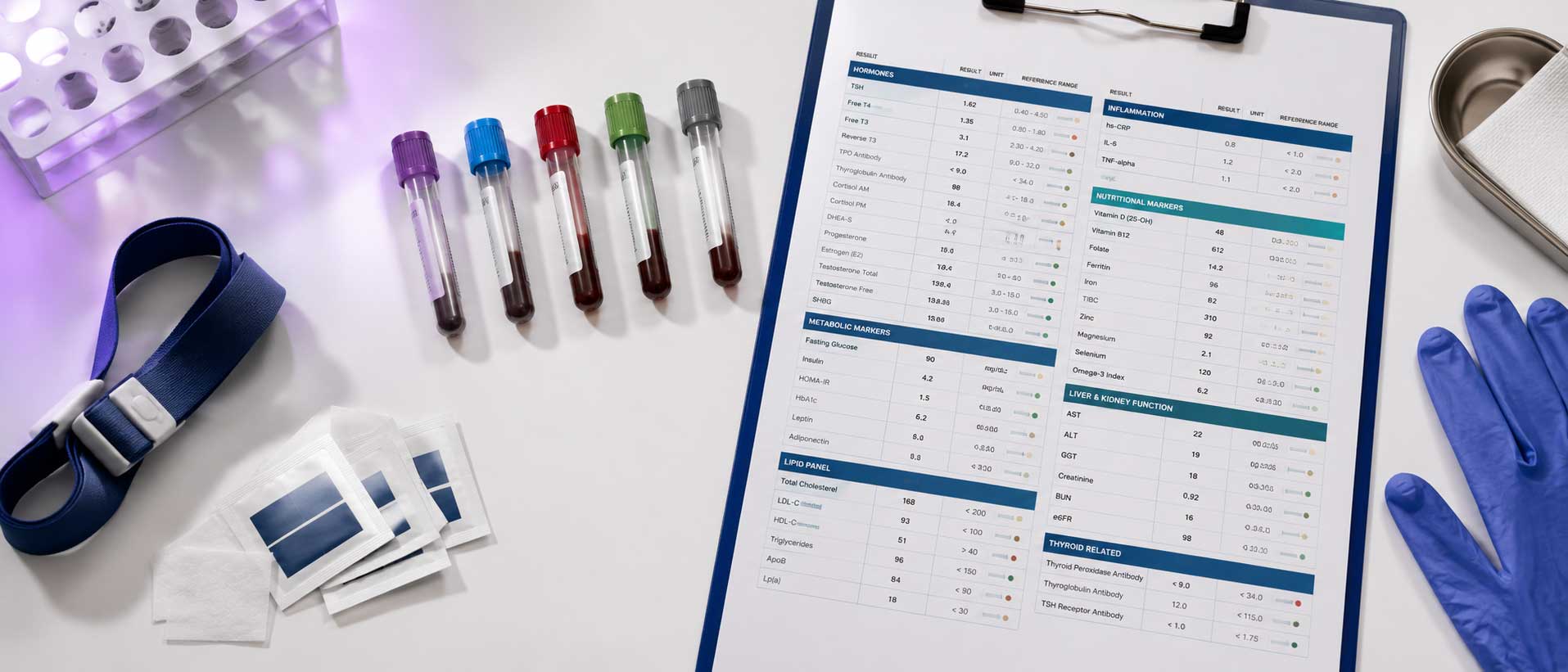
A standard blood panel at a primary care office tests a handful of markers, compares them to population reference ranges, and sends you home with a "normal" result. That process was designed to screen for disease, not to identify the early dysfunction that precedes it by years. By the time cholesterol climbs into the treatment range, insulin resistance may have been building for a decade. By the time TSH crosses the diagnostic threshold, thyroid antibodies may have been elevated for five years. By the time testosterone is flagged as low, symptoms have already been affecting sleep, energy, mood, and body composition for far longer than the lab report reflects. At iRevive, Ryan Hentges, NP orders panels that capture what standard labs leave out. Hormones, thyroid function beyond TSH, insulin and glucose metabolism, inflammatory markers, cortisol, DHEA-S, nutrient levels, and lipid subfractions are all part of the baseline evaluation. Every result is reviewed on a telehealth consultation where the numbers are explained in context, not handed off through a patient portal with no interpretation.
Biomarkers | Hormones | Metabolic | Thyroid | InflammationAt a Glance
Service
Comprehensive Lab Analysis & Biomarker Review
Focus
Full-spectrum diagnostics, early dysfunction detection, treatment guidance
Panels Cover
Hormones, thyroid, metabolic, inflammatory, nutrient, cardiovascular markers
Results Review
One-on-one telehealth consultation with Ryan Hentges, NP
Available In
Bradenton, Lakewood Ranch, Sarasota, Venice
Model
Concierge telehealth + $99/mo membership
Why Do Standard Lab Panels Miss So Much?
Standard blood work was designed to detect established disease. A CBC, basic metabolic panel, and lipid screen will identify anemia, kidney failure, and high cholesterol. What they will not identify is the hormonal decline, metabolic inefficiency, and inflammatory burden that drive the symptoms most patients are actually asking about: persistent fatigue, unexplained weight gain, brain fog, poor sleep, declining libido, and the general sense that something is off despite labs that read "normal."
Reference ranges are another part of the problem. A lab result is flagged only when it falls outside a range that includes roughly 95 percent of the population. That range is built from the average of everyone who gets tested, including people who are overweight, sedentary, or managing undiagnosed conditions. "Normal" on paper can still mean suboptimal for your body, your goals, and your stage of life. A free testosterone of 8 ng/dL in a 45-year-old woman is technically within range. It is not where that woman is going to feel her best.
Ryan Hentges, NP evaluates labs using functional ranges, not just diagnostic cutoffs. That means looking at where your numbers fall relative to optimal function, not just relative to the statistical average. The goal is to identify patterns early, before a marker crosses into a disease state, and to use that information to build a protocol that addresses root causes rather than managing isolated symptoms.
What Does a Comprehensive Lab Panel Actually Include?
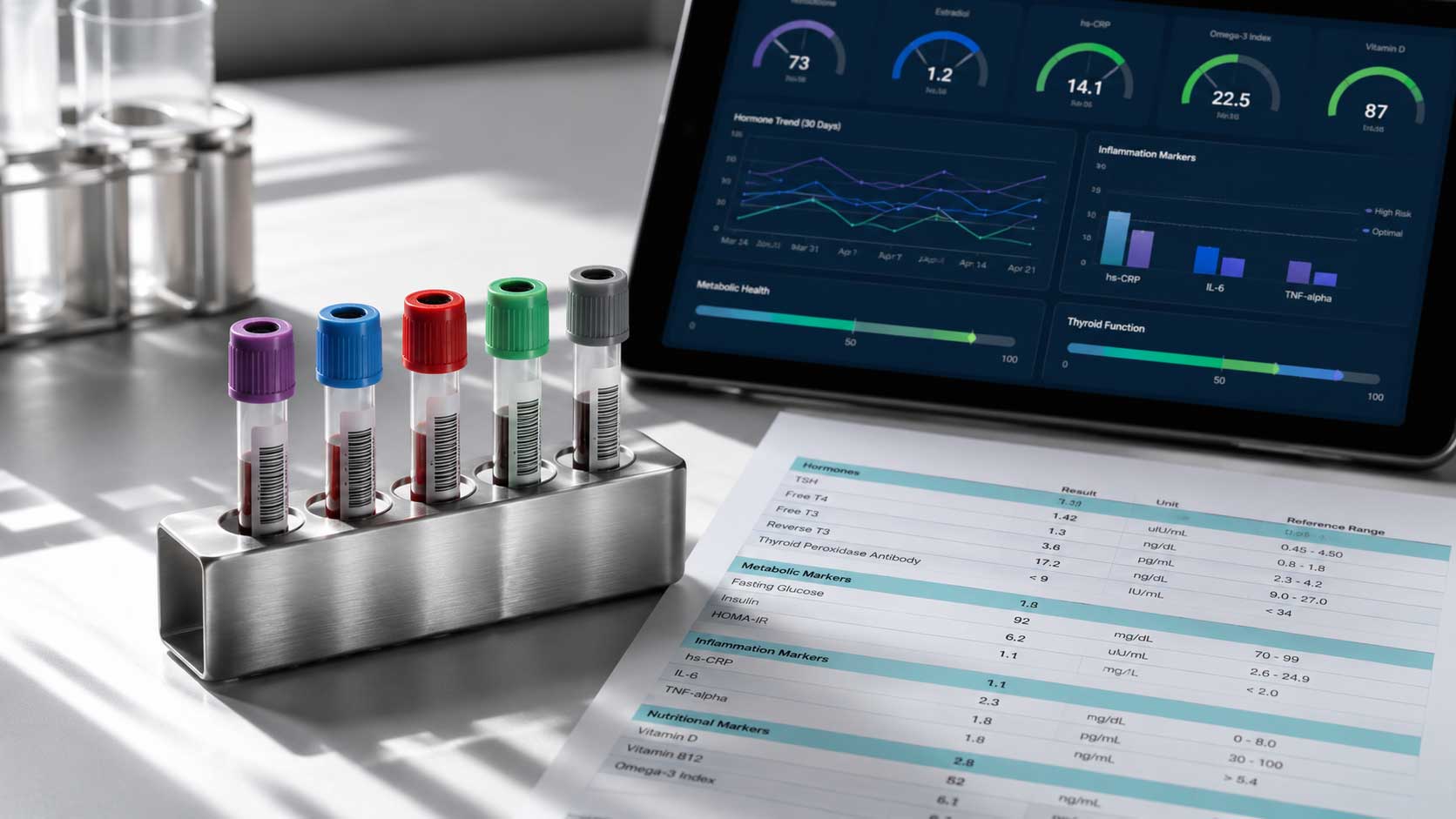
The specific markers ordered depend on your clinical picture, symptoms, age, sex, and treatment goals. Below are the categories that make up the comprehensive panels Ryan Hentges, NP typically orders. Not every patient needs every marker, and some patients need markers not listed here. The panel is built for you, not pulled from a menu.
Hormone & Endocrine Panel
- Total and free testosterone
- Estradiol (sensitive assay)
- Progesterone
- DHEA-sulfate
- Sex hormone-binding globulin (SHBG)
- Luteinizing hormone (LH) and follicle-stimulating hormone (FSH)
- Cortisol (AM or diurnal pattern)
- Insulin-like growth factor 1 (IGF-1)
Metabolic, Thyroid & Inflammatory Panel
- TSH, free T3, free T4, reverse T3
- Thyroid antibodies (TPO, thyroglobulin)
- Fasting insulin and glucose
- Hemoglobin A1c
- High-sensitivity C-reactive protein (hs-CRP)
- Homocysteine
- Comprehensive lipid panel with particle size
- Vitamin D, B12, ferritin, magnesium (RBC)
How Does iRevive Turn Lab Data Into a Treatment Plan?
Ordering comprehensive labs is the first step. Interpreting them correctly is the step most practices skip. A lab result on a page is just a number. Its clinical meaning depends on what other markers are doing, what symptoms are present, and what the patient's health trajectory looks like over time. iRevive treats lab analysis as a diagnostic process, not a data dump.
Clinical Intake
Before labs are drawn, Ryan Hentges, NP reviews your symptom history, prior lab work, current medications, family history, and treatment goals. This context shapes which markers are ordered and how results will be interpreted.
Comprehensive Draw
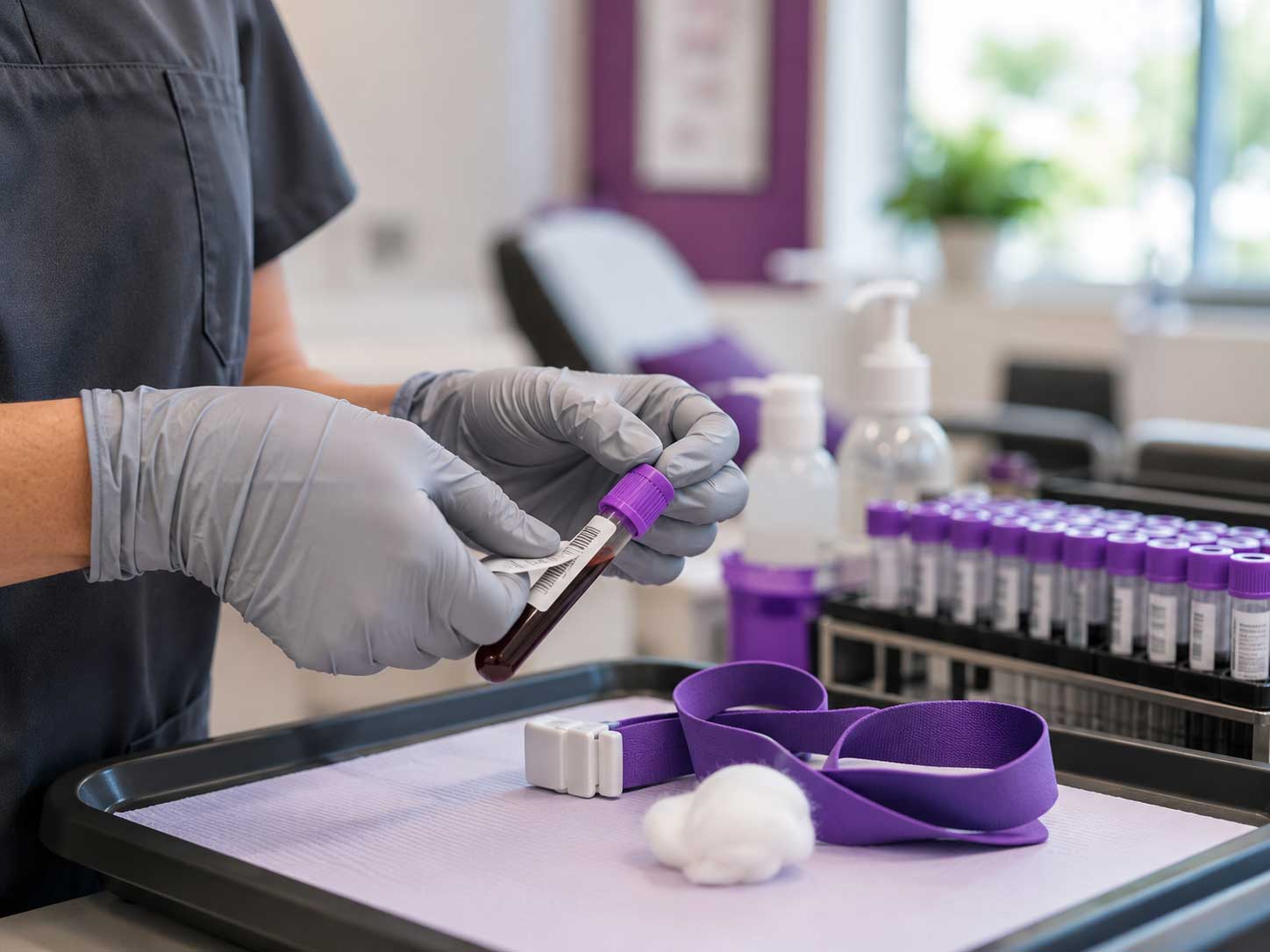
Lab orders sent to a draw station convenient to you in Bradenton, Lakewood Ranch, Sarasota, or Venice. The panel is built for your clinical situation, not a fixed package applied to every patient regardless of age, sex, or presentation.
Results Consultation
Every marker reviewed on a one-on-one telehealth call. Results explained in plain language with context: what is optimal versus merely "normal," how markers relate to each other, and what the pattern means for your symptoms and health trajectory.
Protocol or Referral
If results indicate a treatment protocol is warranted, Ryan Hentges, NP builds it from the lab data. If results point to a condition outside iRevive's scope, a referral is made with full documentation so nothing is lost in transition.
What Comprehensive Labs Can Reveal That Standard Panels Cannot
Early Insulin Resistance
Fasting glucose and HbA1c can look acceptable while fasting insulin is already elevated. Insulin rises years before glucose does, making it an early warning marker for metabolic syndrome and type 2 diabetes that standard panels do not include.
Subclinical Thyroid Dysfunction
TSH within range does not rule out poor T4-to-T3 conversion, elevated reverse T3, or early Hashimoto's. Free T3, free T4, reverse T3, and antibodies are needed to see the full picture of thyroid function.
Hormonal Decline Patterns
Testosterone, estradiol, progesterone, and DHEA-S decline at different rates and produce overlapping symptoms. Measuring all four, along with SHBG and cortisol, distinguishes which deficit is driving which symptom.
Chronic Inflammation
High-sensitivity CRP and homocysteine measure systemic inflammation and cardiovascular risk that a standard lipid panel does not capture. Elevated inflammation accelerates hormonal decline, metabolic dysfunction, and tissue aging.
Nutrient Deficiencies
Vitamin D, B12, ferritin, and magnesium deficiencies are common and produce symptoms that overlap with hormonal and thyroid dysfunction. Correcting a deficiency can resolve symptoms that medication alone will not address.
Cardiovascular Risk Beyond Cholesterol
Total cholesterol and LDL are incomplete measures of cardiovascular risk. Lipid particle size, Lp(a), homocysteine, and hs-CRP provide a more accurate assessment of actual risk than a basic lipid screen.
Adrenal & Stress Load
Cortisol and DHEA-S reflect how the body is managing chronic stress. Dysregulated cortisol disrupts sleep, accelerates muscle loss, promotes abdominal fat storage, and impairs immune function. These markers rarely appear on standard panels.
Treatment Response Tracking
For patients already on hormone therapy, thyroid medication, or metabolic protocols, repeat labs confirm whether the treatment is producing the intended effect at the cellular level, not just changing the number on a chart.
What Can Comprehensive Lab Analysis Do for You?
The value of thorough lab work is not the test itself. It is the decisions the results make possible. When you know exactly what is happening at the biomarker level, treatment can be precise, lifestyle changes can be targeted, and progress can be measured objectively over time.
Two Paths for Lab Analysis
Baseline Discovery Panel
For new patients or anyone who has never had a comprehensive lab evaluation beyond standard blood work. This panel establishes your hormonal, metabolic, thyroid, inflammatory, and nutrient baseline. Results are reviewed in a detailed consultation where Ryan Hentges, NP explains every marker, how they relate to each other, and what the overall pattern reveals about your current health status. Whether the next step is a treatment protocol, targeted lifestyle changes, or watchful monitoring with a recheck in 3 months, the decision is grounded in data. Many patients describe this as the first time a provider has shown them the full picture of what their body is doing.
Request Baseline PanelOngoing Optimization Monitoring
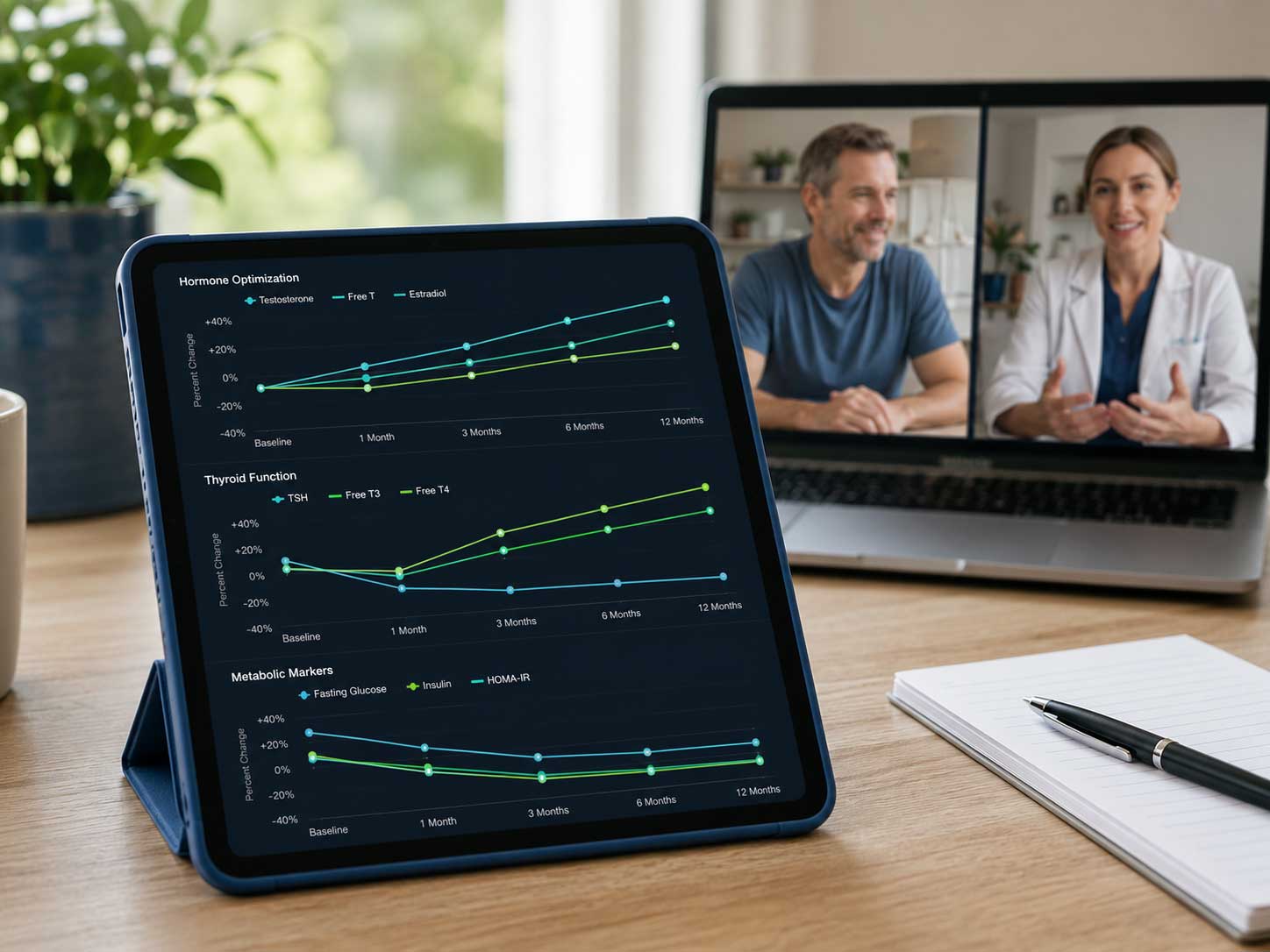
For patients already on a hormone, thyroid, peptide, or metabolic protocol who need follow-up labs to confirm treatment response and inform dose adjustments. This panel is tailored to the specific markers relevant to your current treatment. Follow-up labs are typically drawn at 6 to 8 weeks after starting or adjusting a protocol, then at regular intervals determined by your clinical trajectory. Results are reviewed together on a telehealth call, and protocol modifications are made the same day. This is how iRevive keeps treatment calibrated to what your body is actually doing, not what it was doing 6 months ago.
Schedule Follow-Up LabsLab Analysis Serving Bradenton, Venice, Lakewood Ranch & Sarasota
Getting lab work done should not require taking a half day off work. iRevive sends lab orders directly to draw stations near you in Bradenton, Venice, Lakewood Ranch, Sarasota, and throughout Florida. Walk in at a time that works for your schedule, get the draw done, and receive results within a few business days. The follow-up consultation happens on a telehealth call with Ryan Hentges, NP, where every marker is reviewed and explained in a way that connects the data to how you actually feel. There is no automated message telling you your labs are "within normal limits." There is a conversation about what the numbers mean, what patterns they reveal, and what the next step should be. That consultation alone is why many patients say iRevive's lab process was the first time they actually understood their own blood work. The monthly membership starts at $99 and covers consultations, clinical oversight, and direct provider access by call or text between appointments.
- Bradenton, FL
- Venice, FL
- Lakewood Ranch, FL
- Sarasota, FL
- Telehealth across Florida

Lab Analysis & Biomarker FAQs
How is this different from the blood work my primary care doctor orders?
Primary care typically orders a CBC, basic metabolic panel, and standard lipid screen. Those tests are designed to screen for established disease: anemia, kidney dysfunction, high cholesterol. They do not evaluate hormone levels, thyroid function beyond TSH, insulin sensitivity, inflammatory load, or nutrient status. iRevive's panels cover those categories because they explain the symptoms that standard labs cannot account for. The interpretation is also different. Standard lab reports compare your results to reference ranges that define "normal" as the middle 95 percent of the population. iRevive evaluates results using functional ranges that reflect where optimal health sits, which is often a narrower and more clinically useful window.
Do I need to fast before the blood draw?
For most comprehensive panels, a 10 to 12 hour fast is recommended. Fasting allows accurate measurement of glucose, insulin, lipids, and certain hormones like cortisol that are affected by food intake. Water is fine during the fast. Caffeine should be avoided the morning of the draw because it can affect cortisol levels. Ryan Hentges, NP will provide specific fasting instructions based on which markers are being tested on your panel.
Where do I go for the blood draw?
Lab orders are sent electronically to draw stations near your location in Bradenton, Venice, Lakewood Ranch, Sarasota, or wherever you are in Florida. Most draw stations accept walk-ins during business hours, and some offer early morning appointments. You do not need to come to a clinic or office for the draw. The lab processes the samples and sends results directly to Ryan Hentges, NP for review.
How long does it take to get results?
Most results are available within 3 to 5 business days after the draw. Some specialized markers, like thyroid antibodies or advanced lipid panels, may take slightly longer. Once all results are in, a telehealth consultation is scheduled to review them together. Results are not released through a portal with no context. Every marker is discussed in a conversation with your provider.
What do "functional ranges" mean and why do they matter?
Standard reference ranges are built from the statistical distribution of everyone who gets tested at a given lab. That population includes people with undiagnosed conditions, sedentary individuals, and patients already in decline. "Normal" in that context is the average, not the optimal. Functional ranges are narrower windows that reflect where health markers tend to sit in people who are symptom-free and functioning well. A vitamin D level of 32 ng/mL is technically within the standard range. A functional approach would note that levels below 50 ng/mL are associated with suboptimal immune function, bone health, and mood regulation. The distinction matters because it catches dysfunction earlier and sets a higher bar for what treatment should target.
Does insurance cover these labs?
Coverage depends on your insurance plan and the specific markers ordered. Some markers on a comprehensive panel are covered routinely; others may not be covered or may require specific diagnostic codes. iRevive can discuss cost expectations before labs are ordered so there are no surprises. For patients who prefer to avoid insurance complications, self-pay lab pricing is often significantly lower than the listed rates insurance companies negotiate, and iRevive can guide you toward the most cost-effective option for your panel.
Can I get labs without starting a treatment protocol?
Yes. Not every lab evaluation leads to a prescription. Some patients want a comprehensive baseline to understand where they stand and track changes over time. Others want to confirm that a concern they have is or is not reflected in their biomarkers. Ryan Hentges, NP reviews the results regardless of whether treatment is the next step. If labs are normal and no intervention is indicated, you leave the consultation with a clear picture of your current health and a plan for when to recheck.
How often should I retest?
If you are starting a new treatment protocol, labs are typically rechecked at 6 to 8 weeks so the response can be measured and the protocol adjusted if needed. Once stable, retesting moves to every 3 to 6 months depending on the markers being tracked and how your clinical picture is evolving. For patients who are not on treatment and are monitoring baseline health, an annual comprehensive panel is a reasonable cadence. Ryan Hentges, NP sets the schedule based on your individual situation.
Ready to See What Your Blood Work Has Been Missing?
Hormones, thyroid, insulin, inflammation, nutrients, cardiovascular risk markers. One comprehensive panel. One detailed consultation to explain every result and what it means for your health. That is where informed treatment decisions begin.