FGL peptide is drawing attention from people searching for better memory, sharper focus, and healthy brain aging. Before getting into the research, a familiar scenario: you forget the name of someone you met yesterday.
You lose your train of thought halfway through a conversation. Learning something new takes a little more effort than it used to. Or maybe nothing is obviously wrong, but you don’t feel as quick, focused, or mentally flexible as you remember being.
For many adults, staying sharp becomes just as important as staying physically strong.
That’s one reason there is growing interest in compounds being researched for memory, learning, and neuroplasticity, including a peptide known as FGL.
FGL is unusual because the research surrounding it isn’t simply about increasing alertness or making someone feel more stimulated. Researchers have been interested in whether it can influence the actual connections brain cells use to communicate with one another.
That’s a fascinating idea.
It also requires some perspective.
FGL has shown interesting effects in preclinical research, and it has even undergone a small Phase I study in humans. But the human study wasn’t designed to determine whether FGL improves memory, focus, or cognitive performance.
So what is FGL? What does neuroplasticity actually mean? And how much do we really know about its potential for brain health?
What Is FGL Peptide?
FGL, sometimes called the FG Loop peptide, is a synthetic peptide based on a small portion of a naturally occurring protein called the neural cell adhesion molecule, or NCAM.
That name sounds complicated, but the basic concept isn’t.
NCAM is involved in the way nerve cells develop, interact, and form connections within the nervous system. Those connections matter because your brain doesn’t operate as billions of isolated cells. Neurons constantly communicate with one another through an enormous network of connections.
FGL was developed to mimic one particular part of NCAM involved in that signaling.
Researchers became interested in FGL because laboratory studies suggested that it could influence processes involved in synaptic function, learning, memory, and neuroplasticity.
In simpler terms:
FGL is being studied because of what it may do to the way brain cells connect, communicate, and adapt.
That doesn’t mean those potential effects have been established as clinical benefits in people.
But it does explain why FGL is so interesting to researchers studying cognition.
What Is Neuroplasticity, and Why Should You Care About It?
“Neuroplasticity” sounds like something that belongs in a neuroscience textbook.
In reality, you use it every day.
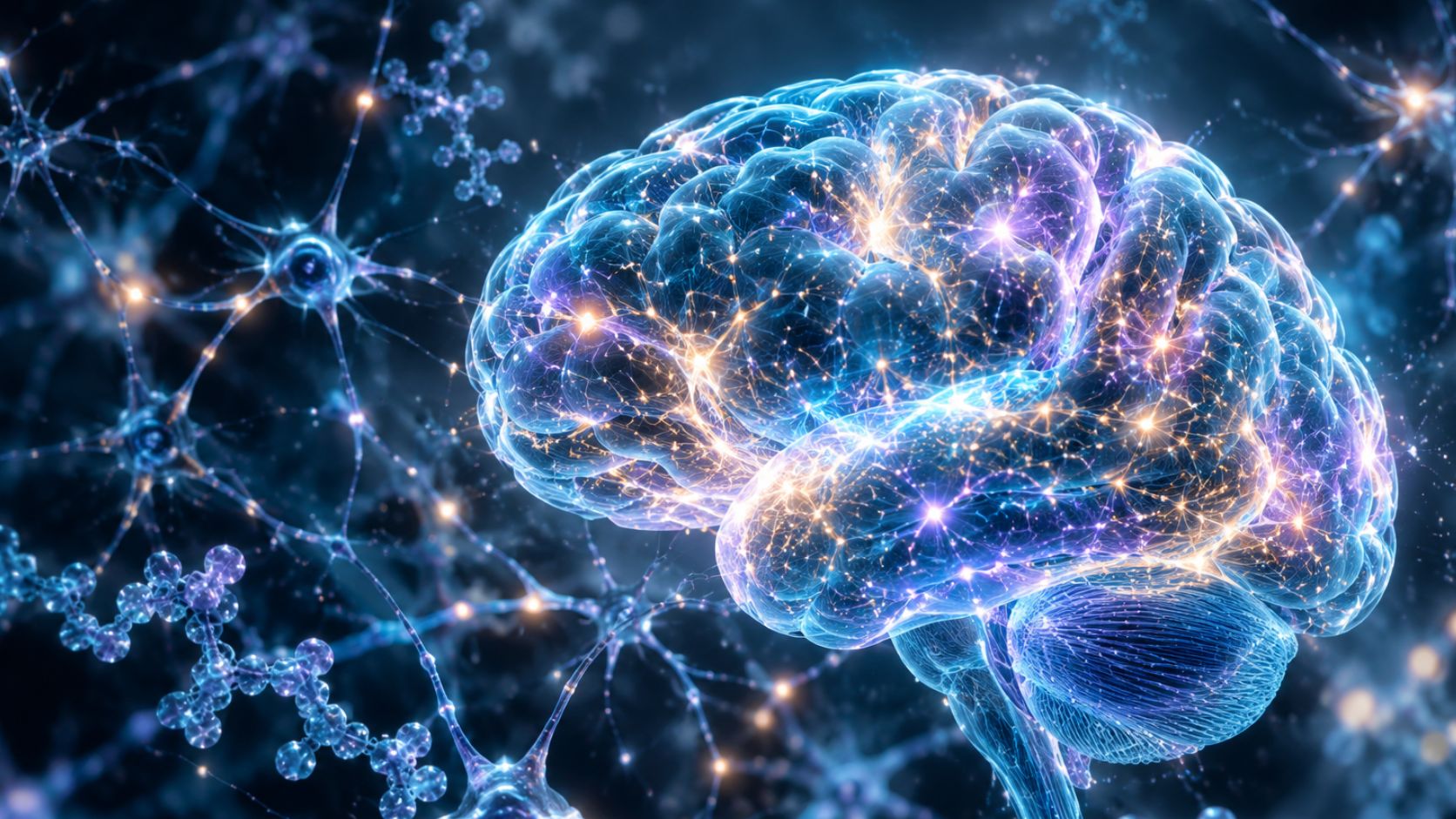
Neuroplasticity is your brain’s ability to change and adapt by strengthening, weakening, reorganizing, and sometimes creating connections between neurons.
Your brain relies on neuroplasticity when you:
- Learn someone’s name
- Practice a golf swing
- Learn a new language
- Adjust to a new job
- Develop a new skill
- Build a habit
- Memorize information
- Adapt after an injury
For years, the adult brain was often thought of as relatively fixed. We now know it is far more adaptable than that.
The ability to change remains an important part of how we learn and function throughout life.
This is one of the areas where FGL becomes interesting.
Research has examined whether the peptide can influence synaptic plasticity, essentially the brain’s ability to change the strength of communication between nerve cells. Studies in animals have found effects on processes associated with long-term potentiation, synaptic signaling, and memory formation.
That’s promising science.
But it’s important to understand where that science currently stands.
Most of the evidence showing improved learning or memory comes from laboratory and animal research, not large clinical trials in people.
Why Is FGL Associated With Memory and Learning?
Memory isn’t stored in the brain like a photograph sitting inside a filing cabinet.
Forming a memory requires communication between networks of neurons.
As you learn, some connections become stronger. New connections may form. Existing networks can reorganize.
Researchers refer to the junctions where neurons communicate as synapses.
FGL attracted attention because early research suggested that it could influence synaptic function.
One widely cited study found that FGL promoted synapse formation and influenced presynaptic function in cultured brain cells. In the animal portion of the research, FGL was associated with changes in memory performance.
Later research explored how FGL may affect the delivery of receptors involved in synaptic communication and learning.
You don’t need to remember the receptor names to understand the bigger picture.
The interesting part is that researchers weren’t simply looking at whether an animal appeared more awake or stimulated.
They were examining processes involved in how the brain forms and strengthens connections associated with learning and memory.
That’s why FGL is often discussed as a potential cognitive peptide.
FGL Peptide for Brain Fog and Focus
This is where online conversations about FGL can move ahead of the evidence.
Someone dealing with brain fog might search for:
- A peptide for focus
- A peptide for memory
- A peptide for mental clarity
- A nootropic peptide
- Something to improve learning or productivity
Eventually, FGL may appear.
And given the research surrounding memory and neuroplasticity, it’s easy to understand why.
But brain fog is not the same thing as impaired neuroplasticity.
“Brain fog” can describe a wide range of experiences:
- You may feel mentally slow.
- You may have difficulty concentrating.
- You may become distracted more easily.
- You might struggle with word recall.
- You might simply feel mentally exhausted by the afternoon.
Those symptoms can have many different causes.
Poor sleep alone can dramatically affect attention and memory. Hormonal changes, thyroid problems, chronic stress, nutritional deficiencies, medications, metabolic health, anxiety, depression, and other medical conditions can also affect how clearly someone thinks.
So while FGL research makes it interesting in the broader conversation about cognitive performance, there isn’t strong clinical evidence showing that FGL eliminates everyday brain fog in healthy adults.
Before reaching for a “brain peptide,” it makes sense to understand why your brain doesn’t feel like it’s performing the way you expect it to.
Is FGL Different From a Traditional Nootropic?
In some ways, yes.
The word nootropic gets used for everything from caffeine-containing supplements to prescription drugs and experimental compounds.
Many products marketed for focus work primarily by changing how awake, stimulated, or energized someone feels.
That’s not what makes FGL interesting.
The research surrounding FGL focuses more on the biological processes involved in:
- Synaptic communication
- Neuroplasticity
- Learning
- Memory formation
- Neural signaling
A scientific review of several experimental cognitive peptides described FGL in the context of manipulating synaptic function to influence learning and memory. Importantly, the cognitive evidence discussed in that review was primarily based on laboratory rodents.
That’s an important distinction.
FGL isn’t simply being researched as something that makes the brain “feel energized.”
The bigger question is whether influencing the machinery involved in learning and neuronal communication could eventually have practical clinical benefits.
We don’t have a complete answer to that yet.
FGL Peptide and the Aging Brain
As people get older, the goal often changes.
At 25, cognitive performance might mean staying focused through a long workday.
At 55 or 65, the conversation may become:
How do I stay mentally sharp for as long as possible?
That has led researchers to investigate how aging affects neuroplasticity, inflammation, synaptic health, and the brain’s ability to form and maintain strong neuronal connections.
FGL has been studied in some of these areas.
For example, research in aged animals has examined FGL’s effects on inflammatory signaling within the brain and on long-term potentiation, one of the processes associated with learning and memory.
Other research has looked at physical changes involving synapses in aged animals after exposure to FGL.
That is part of why the peptide sometimes appears in conversations about cognitive longevity.
But “being studied in aging research” is not the same as “proven to prevent cognitive aging.”
We do not have strong human clinical evidence showing that taking FGL prevents normal age-related memory changes or preserves cognition as people get older.
The research gives us interesting biological questions.
It doesn’t yet give us definitive clinical answers.
Has FGL Peptide Actually Been Studied in Humans?
Yes, and this is one of the more interesting parts of the FGL story.
A Phase I study published in 2007 evaluated a closely related FGL formulation, referred to as FGL(L), in humans.
Researchers gave single intranasal doses to 24 healthy men between the ages of 24 and 55.
The study looked primarily at three things: tolerability, safety, and pharmacokinetics.
Pharmacokinetics simply means researchers were studying what happened to the compound after it entered the body, including how exposure changed at different doses.
The study found that the single intranasal doses tested were generally well tolerated. Reported short-term reactions included brief nasal burning and watery eyes in a few participants.
That’s useful information.
But here’s the part that gets lost when this study is mentioned online:
The trial did not establish that FGL improves memory.
It did not prove better focus.
It did not demonstrate improved learning.
It did not show that healthy adults became cognitively sharper.
The study was designed primarily to find out whether single doses could be administered to people and to understand basic safety and pharmacokinetics.
That makes the study an important step in the research process, but it should not be presented as evidence that FGL has been clinically proven as a cognitive enhancer.
Could FGL Protect the Brain?
Another word you’ll encounter frequently when researching FGL is neuroprotection.
Neuroprotection refers broadly to protecting nerve cells from damage or supporting their ability to remain functional under stressful conditions.
A review of NCAM-mimetic peptides describes preclinical FGL research involving neuroprotection, synaptic modulation, and neurological conditions including stroke, traumatic brain injury, and Alzheimer’s disease.
Researchers have also studied FGL in experimental models involving inflammation and neurological injury.
Again, the word models matters.
Much of this work has been done in cells or animals.
That means you should be cautious when you encounter statements such as:
- “FGL treats Alzheimer’s.”
- “FGL helps people recover from a stroke.”
- “FGL repairs brain injuries.”
Those statements go beyond the clinical evidence currently available.
A substance can produce a very interesting result in experimental research without ultimately becoming an effective treatment for people.
What About FGL and Alzheimer’s Disease?
Alzheimer’s disease is one of the areas where it’s especially easy for promising research to become overstated online.
Researchers have studied FGL in experimental models designed to reproduce certain aspects of Alzheimer’s-related brain dysfunction.
One animal study, for example, investigated FGL in a model involving amyloid-beta-related changes and reported improvements in neuropathological and cognitive measures.
That finding contributed to interest in FGL as a possible avenue for further research.
But it does not demonstrate that FGL treats Alzheimer’s disease in humans.
Even the 2007 Phase I human study was focused on safety and pharmacokinetics rather than determining whether FGL could improve cognition in people with Alzheimer’s disease.
Anyone experiencing significant memory loss, confusion, changes in personality, difficulty managing familiar tasks, or other signs of possible cognitive impairment should receive an appropriate medical evaluation rather than assuming a cognitive peptide is the answer.
FGL and Brain Injury or Stroke Recovery
You may also see FGL mentioned in conversations about brain injury and stroke.
There is a reason for that.
Researchers have investigated whether influencing NCAM-related signaling could support some of the processes involved in neural repair and regeneration.
For example, a preclinical study examining stroke reported effects involving neural stem cells, remyelination, and inflammatory activity after FGL administration.
That’s a fascinating area of research.
It’s also a good example of why the words we use matter.
It would be appropriate to say:
“Researchers have studied FGL in experimental models of stroke recovery.”
It would not be appropriate to turn that into:
“FGL helps patients recover from strokes.”
Those sentences may sound similar, but scientifically they mean very different things.
What About FGL for Mood?
FGL sometimes appears in discussions about anxiety and depression as well.
Part of that interest comes from the broader relationship between neuroplasticity and mental health.
Researchers have become increasingly interested in how the brain’s ability to adapt and reorganize may be involved in certain psychiatric conditions.
A review examining NCAM and brain plasticity discussed experimental FGL research involving neuronal plasticity and depression-like behaviors in animal models.
That research is interesting, but it does not establish FGL as a treatment for depression, anxiety, or another mood disorder in humans.
Mental health conditions deserve appropriate evaluation and evidence-based care.
Who Is Usually Curious About FGL?
The people researching FGL aren’t necessarily dealing with a neurological disease.
Many are simply interested in performing better.
They may be professionals who feel like their focus isn’t as strong as it once was.
They may be adults noticing that memory recall takes more effort.
Some are interested in healthy brain aging and want to preserve cognitive function.
Others are fascinated by neuroplasticity and the possibility that emerging therapies may eventually help support the brain’s ability to learn and adapt.
Those are all understandable reasons to become curious about FGL.
But curiosity and candidacy aren’t the same thing.
Someone looking for more mental clarity may discover that poor sleep is the real problem.
Someone worried about memory might have a nutritional deficiency, thyroid issue, hormonal imbalance, medication effect, chronic stress, or another underlying concern that needs attention.
The goal shouldn’t be to find the peptide that matches the symptom.
The goal should be to understand the person experiencing the symptom.
Before Assuming You Need a Cognitive Peptide
This is where the conversation should begin.
- If your memory feels different, when did you first notice it?
- Did it happen gradually or suddenly?
- How are you sleeping?
- Has your stress level changed?
- Are you experiencing hormonal changes?
- What medications are you taking?
- How is your metabolic health?
- Are you eating enough protein and micronutrient-rich foods?
- Are you physically active?
- Are you recovering from workouts, illness, or another major stressor?
These questions may seem unrelated to memory, but the body doesn’t operate in isolated systems.
Your brain depends on what is happening everywhere else.
At iRevive, the objective is not to make every person fit a particular peptide protocol.
The objective is to understand the outcome you’re trying to improve, look at the factors that may be affecting it, and then decide what options make sense based on your health history, goals, available evidence, and appropriate monitoring.
Sometimes an emerging therapy may be part of that conversation.
Sometimes the answer may be somewhere completely different.
FGL Peptide vs. Pinealon: Are They the Same Kind of Brain Peptide?
No.
FGL and Pinealon are both discussed within the cognitive peptide space, but they are very different peptides.
FGL was developed from a portion of NCAM and has been researched heavily in connection with synaptic signaling, learning, memory, and neuroplasticity.
Pinealon is a much smaller three-amino-acid peptide that has been studied in connection with neuronal health, oxidative stress, cellular signaling, and aging.
There is some overlap in the outcomes people are interested in, particularly memory and cognitive health.
But the peptides themselves are not interchangeable.
This is a good example of why “peptide therapy” isn’t one treatment.
Different peptides have different proposed mechanisms, different research histories, different evidence, and different unanswered questions.
What Should You Ask Before Considering FGL Peptide?
If you’re exploring an experimental cognitive peptide, start with questions rather than promises.
- What specific outcome are you trying to improve?
- Is it memory? Focus? Mental stamina? Learning? Healthy aging?
- Have other possible causes of the problem been evaluated?
- How much of the research has actually been performed in humans?
- Was the human research designed to measure the outcome you’re interested in?
- What do we know about potential risks?
- What don’t we know?
- How would you objectively determine whether the intervention was helping?
And perhaps most importantly:
Is there a better-established way to address the same problem?
Those questions help separate personalized medicine from simply chasing the newest thing getting attention online.
The Bottom Line on FGL Peptide
FGL is a fascinating peptide because it sits at the intersection of several things people care deeply about: memory, learning, neuroplasticity, healthy brain aging, and cognitive performance.
Preclinical research has found effects involving synaptic function and plasticity, and a small Phase I human trial established that single intranasal doses of an FGL-related formulation could be studied in healthy volunteers.
What we don’t yet have is equally important.
We do not have a strong body of human clinical trials demonstrating that FGL reliably improves memory, clears brain fog, enhances learning, treats mood disorders, prevents Alzheimer’s disease, or helps people recover from neurological injuries.
That doesn’t make FGL uninteresting.
It makes it investigational.
If your goal is better focus, stronger memory, or staying mentally sharp as you age, the most useful question may not be:
“Should I take FGL?”
It may be:
“What is affecting my cognitive performance, and what is the most appropriate way to improve it?”
Understanding that first makes every conversation about treatment more useful. If you want to talk through what is affecting your focus or memory, reach out to iRevive to start that conversation.
Frequently Asked Questions About FGL Peptide
What is FGL peptide?
FGL, also known as the FG Loop peptide, is a synthetic peptide based on a portion of the neural cell adhesion molecule, or NCAM. Researchers have studied it primarily for its potential influence on neuronal signaling, synaptic plasticity, learning, and memory.
What does FG Loop mean?
The name refers to the region of the neural cell adhesion molecule from which the peptide was developed. You may see the terms FGL, FG Loop peptide, and related FGL formulations used in scientific literature.
What is neuroplasticity?
Neuroplasticity is the brain’s ability to adapt by changing the strength and organization of connections between neurons. It plays an important role in learning, memory, skill development, and adaptation.
Does FGL improve memory?
Preclinical studies have reported effects on memory and synaptic function, but there is not currently strong human clinical evidence establishing FGL as an effective memory-enhancing treatment in people.
Can FGL help brain fog?
There is not enough human clinical evidence to say that FGL treats brain fog. Brain fog can also have many underlying causes, so identifying those causes is an important part of determining what may actually help.
Has FGL been tested in humans?
Yes. A 2007 Phase I trial evaluated single intranasal doses of an FGL-related peptide in 24 healthy male volunteers. The trial focused on tolerability, safety, and pharmacokinetics rather than whether the peptide improved memory or cognition.
Is FGL a nootropic?
FGL is sometimes described as a potential nootropic or cognitive peptide because of preclinical research involving learning, memory, and synaptic function. However, it has not been established through large human trials as a proven cognitive-enhancing therapy.
Can FGL treat Alzheimer’s disease?
FGL has been researched in experimental models related to Alzheimer’s disease, but there is not sufficient human clinical evidence to establish FGL as a treatment for Alzheimer’s disease.
Can FGL help after a stroke or brain injury?
Researchers have investigated FGL in preclinical models involving neurological injury and stroke recovery, but those findings should not be interpreted as evidence that FGL is an established treatment for stroke or traumatic brain injury in humans.
What is the difference between FGL and Pinealon?
FGL is derived from part of the neural cell adhesion molecule and has primarily been studied in connection with synaptic signaling, memory, and neuroplasticity. Pinealon is a three-amino-acid peptide studied in areas including neuronal health, oxidative stress, cellular signaling, and cognitive aging. They are different compounds and should not be treated as interchangeable.
This article is for educational purposes and is not intended to diagnose, treat, cure, or prevent any disease. New, significant, or worsening problems with memory, confusion, mood, or cognitive function should be evaluated by an appropriate healthcare professional.